


Beading metalworking is a specialized technique used in the fabrication and shaping of metal materials, particularly for applications requiring added strength, rigidity, and design precision. The metal beading process involves the creation of beads, or raised ridges, along the edges or surface of metal sheets and parts. This process is widely used in various industries, including automotive, aerospace, and construction, where metal components require reinforcement, aesthetic enhancement, or structural integrity.
In beading metalworking, the primary objective is to form beads along the edges of metal sheets or along specific lines within the material. These beads are typically produced by using specialized tools that press or roll the material into a desired shape. The beading process not only adds strength to the metal but also improves its visual appeal by creating uniform, raised patterns. The beads can also be used to enhance the metal’s ability to resist deformation under stress, which is particularly important in applications where the material will undergo significant pressure or force.
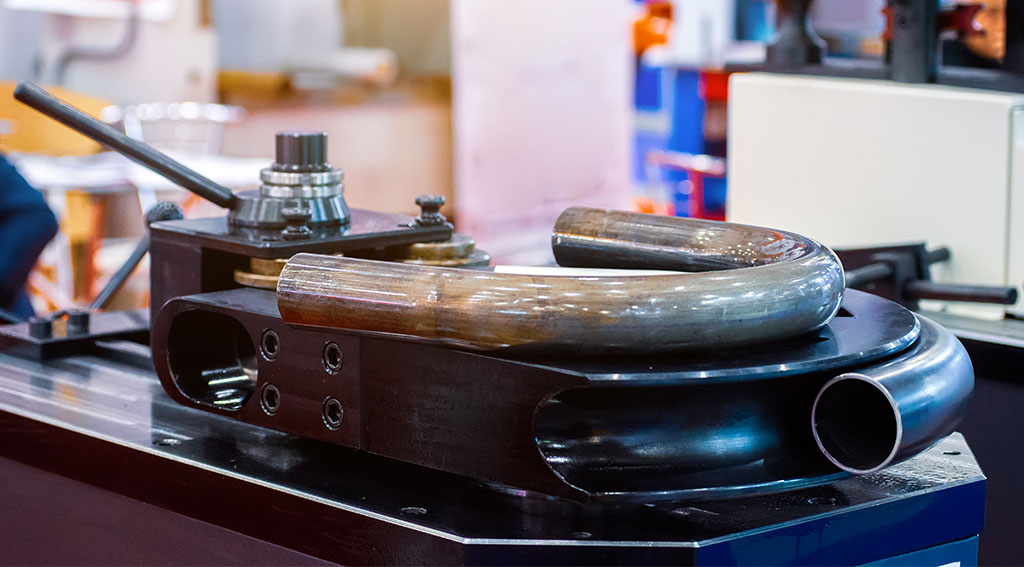
The metal beading process is typically carried out using a sheet metal beading machine, which can create beads of varying sizes and shapes depending on the needs of the project. The machine uses dies or rollers to press the sheet metal into the desired form, creating precise ridges along the metal’s surface. The beading process can be done either manually or through automated machinery, depending on the complexity and scale of the production. This allows manufacturers to produce both custom-made components and mass-produced parts with ease and consistency.
One of the most common applications of beading metalworking is in the production of metal ducts and pipes. In the HVAC (heating, ventilation, and air conditioning) industry, for instance, sheet metal beading is used to reinforce the joints and edges of ducts, improving their structural integrity and ensuring that they can withstand the pressure from the airflow. The raised beads also help seal joints more effectively, minimizing the risk of leaks and ensuring better energy efficiency.
Another important application of the metal beading process is in the automotive industry, where it is used to strengthen the body panels of vehicles. By adding beads to the metal panels, manufacturers can enhance the rigidity and impact resistance of the vehicle’s structure, improving safety without significantly increasing the weight of the component. Additionally, beading metalworking can be used for aesthetic purposes, creating a unique design feature that adds to the overall appearance of the vehicle.
In the aerospace industry, beading is often used in the production of aircraft parts, where the need for high-strength, lightweight components is critical. The metal beading process provides an effective way to increase the strength of aircraft panels, wings, and other structural elements while maintaining the required weight limits. This allows manufacturers to produce durable, long-lasting components that can withstand extreme conditions without compromising performance.
In conclusion, beading metalworking is a versatile and valuable technique that provides both functional and aesthetic benefits in a wide range of industries. Whether it’s reinforcing metal ducts, enhancing the rigidity of automotive parts, or improving the strength of aerospace components, the metal beading process offers a cost-effective solution for creating durable, high-quality metal products. With its ability to add strength, flexibility, and visual appeal, sheet metal beading is an essential process in modern manufacturing.