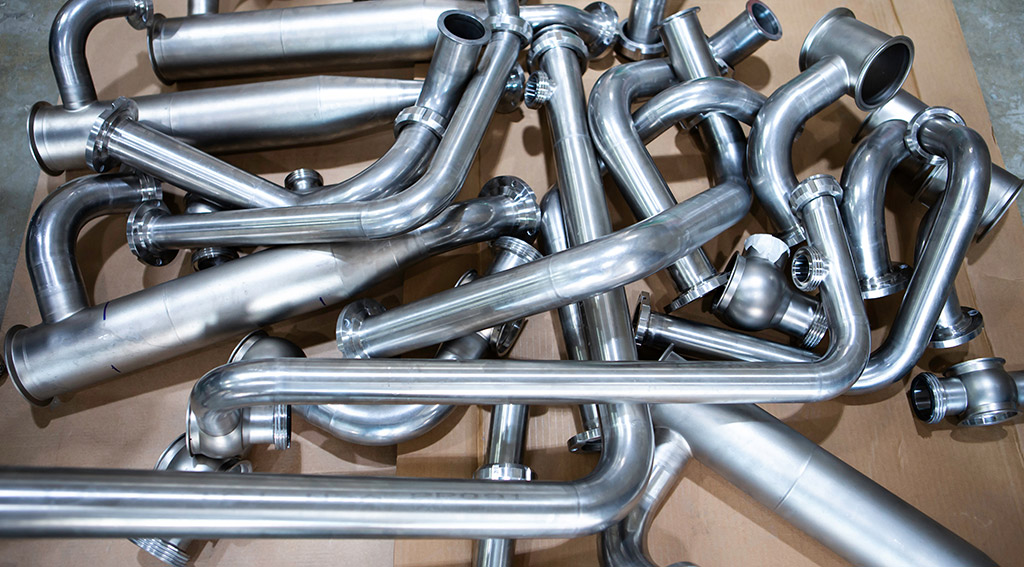




Industrial plate bending is a vital process in many manufacturing sectors, allowing the creation of custom shapes from metal plates. This technique involves the application of force to metal sheets, resulting in controlled bends to meet specific design requirements. The process is often used in industries like construction, automotive, and shipbuilding, where large and complex metal components are required. To achieve precise and efficient results, manufacturers rely on key technologies in heavy-duty plate rolling and metal sheet forming.
One of the primary technologies used in industrial plate bending is the plate rolling machine. These machines are designed to bend thick metal plates by passing them through a set of rollers. The process involves gradual bending, allowing the metal to maintain its structural integrity while achieving the desired curvature. Plate rolling machines are available in various configurations, including three-roll and four-roll systems, each offering different advantages depending on the application. These machines are capable of bending materials such as steel, stainless steel, and aluminum, making them versatile for a wide range of industries.
The heavy-duty plate rolling process is particularly important for producing large, thick metal components that require high force to achieve the desired shape. These machines are designed to handle the most demanding tasks, capable of bending heavy plates with precision and speed. Heavy-duty plate rolling ensures that the bending process does not compromise the quality of the material, preventing warping or distortion. This technology is widely used in industries that require large metal structures, such as the construction of pressure vessels, tanks, and industrial equipment.
Another key technology in industrial plate bending is metal sheet forming. This process involves shaping a metal sheet into a specific form, often by applying pressure or heat. It is commonly used for producing parts that require both bending and stretching, such as automotive body panels, aircraft parts, and other components that need complex curves or angles. Metal sheet forming can be performed using various methods, including press braking, stamping, and deep drawing. These methods allow manufacturers to create intricate shapes that meet both aesthetic and functional requirements.
Metal sheet forming also plays a crucial role in achieving high production efficiency. By using automated systems and CNC technology, manufacturers can speed up the process, reduce labor costs, and improve accuracy. CNC-controlled machines can make precise adjustments in real time, ensuring that the metal is bent to exact specifications. This is particularly important in industries where precision is critical, such as aerospace, automotive, and electronics manufacturing.
In conclusion, industrial plate bending is a complex process that relies on advanced technologies like heavy-duty plate rolling and metal sheet forming to produce high-quality, precision metal components. These technologies ensure that manufacturers can create custom shapes from metal plates with efficiency and accuracy. Whether it’s through plate rolling machines or metal sheet forming, the key to successful industrial plate bending lies in selecting the right technology for the specific needs of the project. As industries continue to evolve, the demand for more specialized and advanced bending technologies will only increase, making it essential for manufacturers to stay updated with the latest innovations in the field.