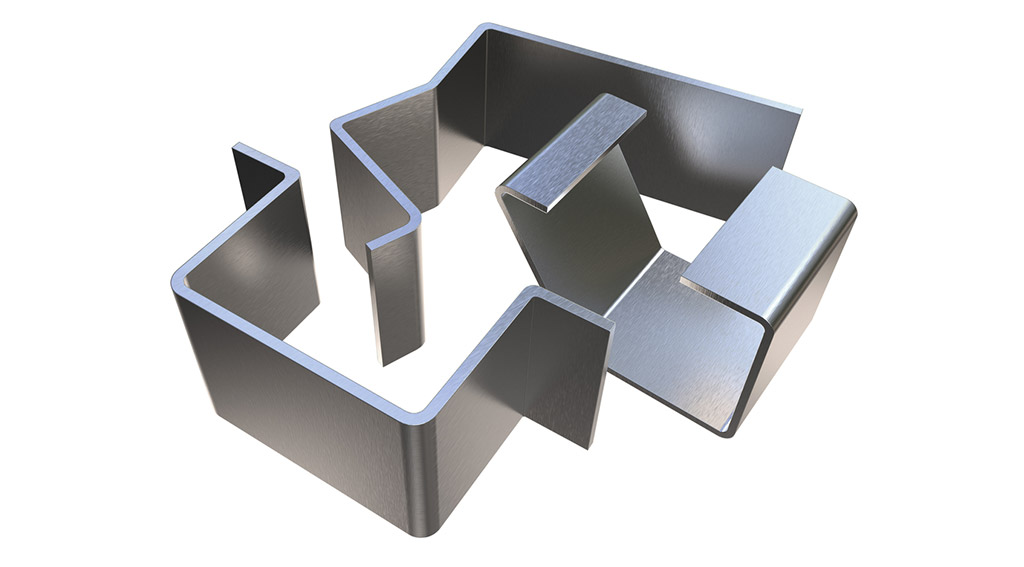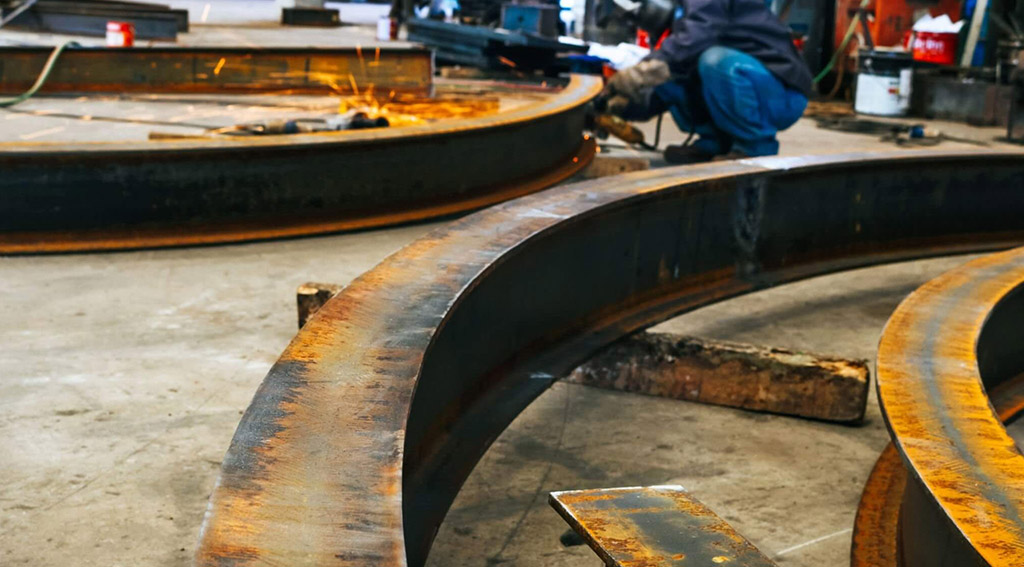




Angle profile bending is a critical process in metal fabrication, allowing manufacturers to efficiently shape L-profiles and other structural angles. This technique is widely used in industries such as construction, automotive, aerospace, and heavy machinery, where precise bending is necessary for structural integrity and design requirements. By utilizing advanced bending methods, manufacturers can ensure consistency, durability, and high-quality results in their metal components.
Angle profile bending involves various methods, each tailored to specific material types and project needs. Common techniques include rotary draw bending, roll bending, and induction bending. Rotary draw bending provides high precision and is ideal for applications requiring tight radii. Roll bending, on the other hand, is well-suited for large curves and gradual bends, while induction bending uses heat to create smooth, controlled shapes without compromising material strength.
L-profile bending is particularly useful for creating reinforced structural components in bridges, buildings, and transportation infrastructure. By precisely shaping angle profiles, engineers can design frameworks that offer enhanced load-bearing capacity and stability. Additionally, bending L-profiles minimizes the need for welding and joint fabrication, reducing potential weak points in metal structures and improving overall performance.
Structural angle shaping plays a crucial role in optimizing material usage and production efficiency. Modern CNC-controlled bending machines allow for accurate and repeatable shaping processes, reducing material waste and labor costs. These machines ensure that the desired angles and curves are achieved with minimal deformation or structural compromise, making them indispensable in high-volume manufacturing.
The benefits of angle profile bending extend beyond industrial applications, as it also supports custom metalwork and artistic designs. Metal fabricators can create complex architectural features, decorative metal elements, and custom framework components with precise bending techniques. By selecting the appropriate bending method and utilizing advanced machinery, manufacturers can achieve superior results in both functional and aesthetic metalwork.
In conclusion, angle profile bending is a vital process in the metalworking industry, providing essential solutions for structural engineering and custom fabrication. Understanding the different bending techniques and utilizing modern equipment ensures efficiency, accuracy, and high-quality outcomes in various applications.