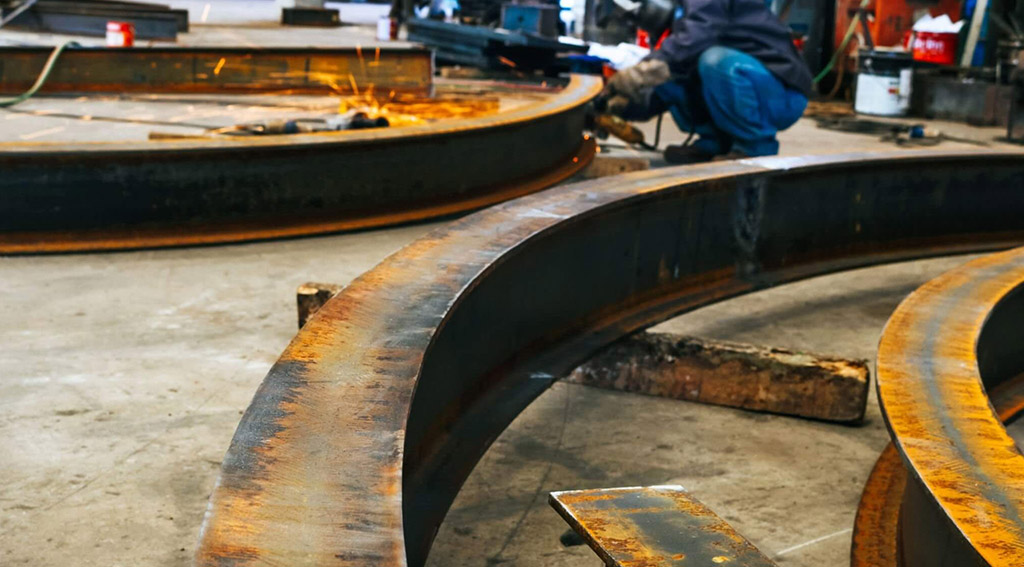



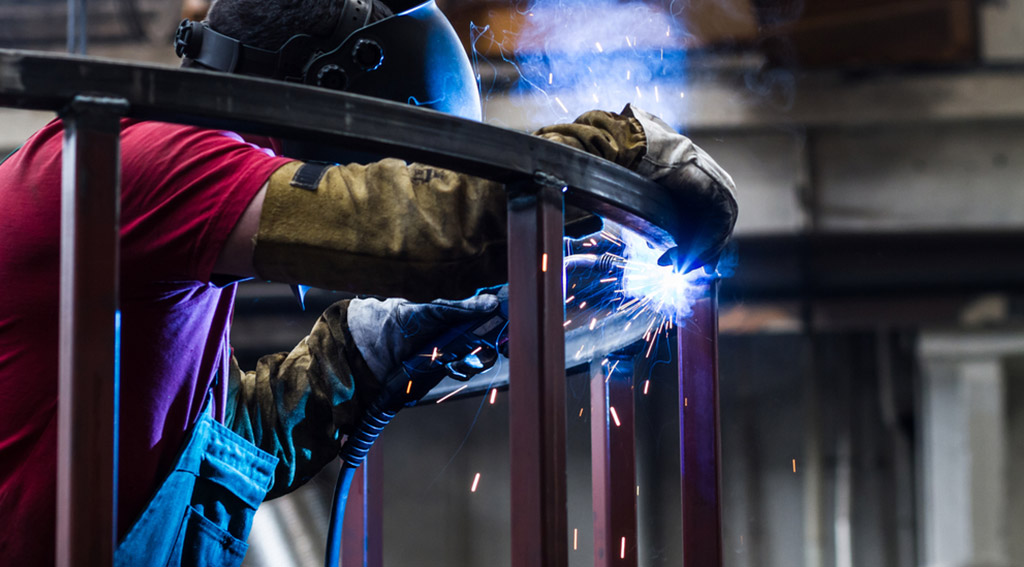
Choosing the right profile bender machine is essential for achieving precise and efficient metal bending in various industrial applications. These machines are widely used in sectors such as construction, automotive, aerospace, and metal fabrication, where bending metal profiles, tubes, and pipes is a crucial part of production.
A profile bender machine is designed to shape metal into desired curves or angles without compromising structural integrity. Different types of profile benders include manual, hydraulic, and CNC-controlled machines, each offering unique benefits based on the complexity and scale of the project. Manual benders are suitable for small-scale operations and simple bends, while hydraulic models provide increased power and accuracy for medium to heavy-duty applications. CNC-controlled machines offer the highest level of precision and automation, making them ideal for large-scale production runs requiring consistent and complex bends.
When selecting a metal bender equipment, several factors should be considered. The material type and thickness play a critical role in determining the machine’s required capacity. Thicker or harder metals, such as stainless steel or titanium, require more force and specialized tooling to achieve accurate bends. The bending radius and angle precision are also important considerations, as different machines have varying capabilities in terms of minimum and maximum bending limits.
Another key factor is the versatility of the machine. Some industrial tube bending machines are equipped with interchangeable rollers and dies, allowing operators to switch between different bending applications effortlessly. This feature is particularly beneficial for manufacturers working with multiple profile shapes, such as round tubes, square tubing, and structural beams.
Durability and ease of maintenance should also be taken into account when investing in a profile bender. High-quality machines are built with robust materials and components to withstand continuous use in demanding industrial environments. Regular maintenance, such as lubrication, alignment checks, and tool replacements, ensures long-term performance and minimizes operational downtime.
Automation and digital controls have further enhanced the efficiency of profile bender machines. Modern CNC models come with programmable settings, enabling precise and repeatable bends with minimal manual input. These machines not only improve productivity but also reduce material waste and human error, making them an excellent choice for high-precision manufacturing.
Choosing the right profile bender machine ultimately depends on the specific needs of the business. Companies involved in mass production may benefit from fully automated CNC models, while small workshops may find hydraulic or manual options more suitable for their operations. By evaluating material requirements, machine capabilities, and production demands, manufacturers can invest in the most efficient metal bending solution to enhance their workflow and output quality.