


Hydraulic profile bending machines have become a cornerstone in the fabrication and construction industries, offering precision and efficiency when shaping metal profiles. These machines are widely used in a variety of industrial applications, particularly in tasks that require the bending of metal profiles such as beams, channels, angles, and pipes. In this article, we will explore the key industrial use cases for hydraulic profile bending machines, demonstrating their importance and versatility in modern manufacturing.
A hydraulic profile bending machine utilizes hydraulic power to apply pressure to metal profiles, bending them into desired shapes with high accuracy and minimal risk of distortion. The hydraulic system ensures smooth and consistent operation, making it suitable for bending materials that require precise control, such as steel, aluminum, and other alloys. These machines are essential in industries where both strength and aesthetic considerations are crucial, and their adaptability makes them ideal for a wide range of applications.
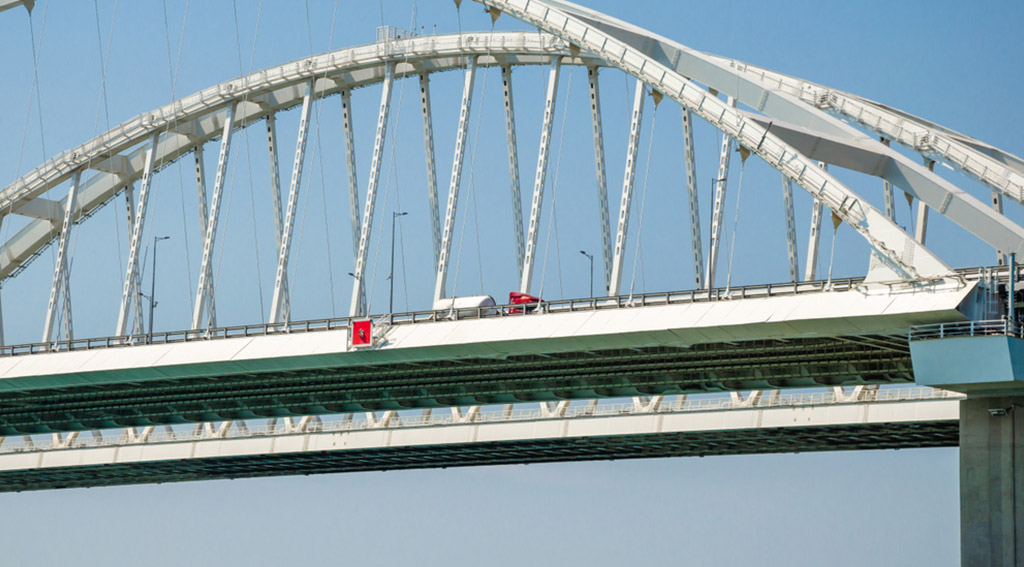
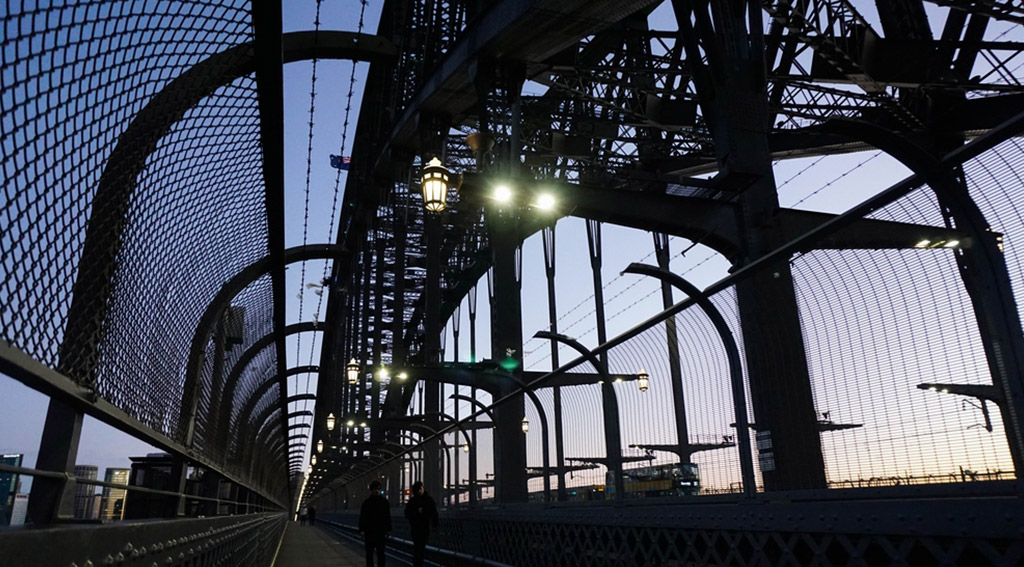
One of the most prominent industrial use cases for hydraulic profile benders is in the construction and architecture industries. When creating complex building structures, the bending of metal profiles is often required for components like beams, supports, and frames. Profile bending machines enable manufacturers to bend metal profiles, such as I-beams, U-channels, and T-sections, with high precision, ensuring the structural integrity of the construction. These machines can create curved profiles that provide additional strength and stability to buildings and infrastructure projects.
Another key application of hydraulic profile bending machines is in the production of frames and components for the automotive and transportation industries. For example, car manufacturers often use these machines to bend metal profiles for vehicle frames, chassis, and body panels. The ability to precisely bend these profiles is critical to ensuring the safety, performance, and durability of the final product. Whether it’s creating curved bodywork or reinforcing chassis components, profile bending machines play an essential role in automotive manufacturing.
The hydraulic profile bending machine is also widely used in the energy sector, particularly in the creation of piping and support structures for power plants and oil rigs. These machines are ideal for bending pipes and structural profiles used in complex energy projects. The bending process allows for the creation of components that can withstand extreme conditions while maintaining the necessary strength and flexibility. The ability to shape large metal sections with ease ensures that hydraulic profile benders are crucial for fabricating custom components that fit the specific needs of energy infrastructure.
In addition to the construction, automotive, and energy industries, industrial profile benders are also commonly used in the manufacturing of industrial equipment and machinery. For example, the production of frames, brackets, and supports for industrial machines often requires bending metal profiles to specific angles and dimensions. Hydraulic profile bending machines provide the accuracy needed to meet stringent engineering standards, ensuring that each component is both functional and durable.
Finally, hydraulic profile bending machines also find applications in the creation of decorative metalwork and furniture. From curved railings to custom shelving systems, these machines are capable of producing intricate bends in metal that enhance the aesthetic appeal of interior and exterior designs. The precision of hydraulic bending ensures that the finished products are not only visually appealing but also structurally sound.
In conclusion, hydraulic profile bending machines are indispensable in a variety of industrial applications. Whether in construction, automotive manufacturing, energy production, or industrial equipment fabrication, these machines provide the accuracy and strength necessary for bending metal profiles into complex shapes. As industries continue to evolve, the versatility and precision of profile bending machines will remain essential for producing high-quality metal components.