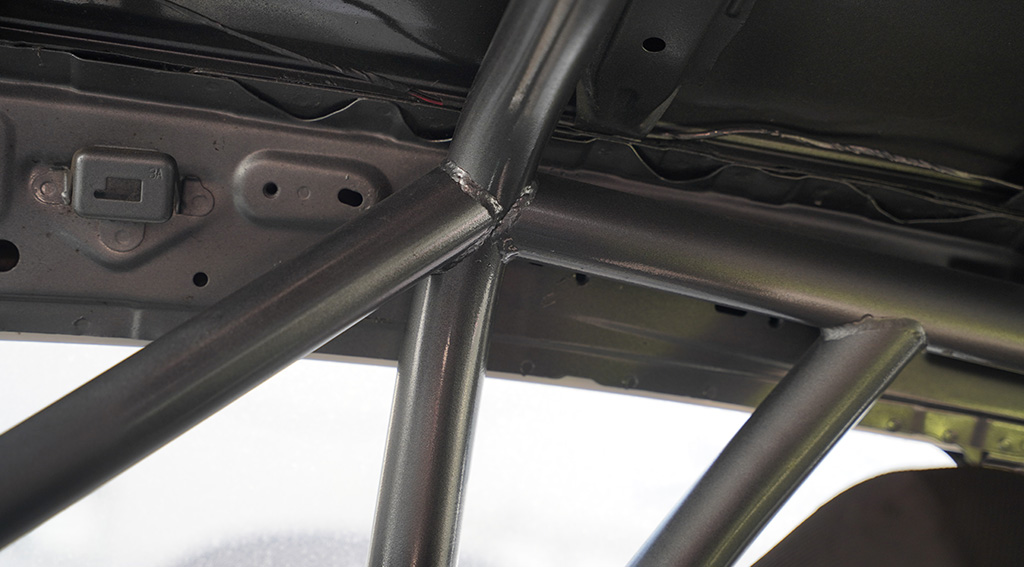



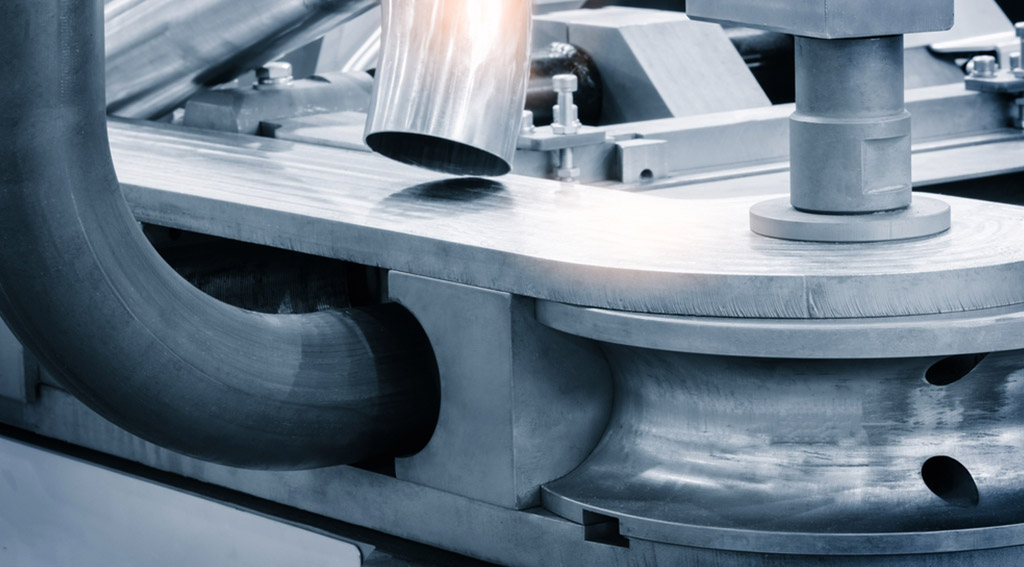
When it comes to producing high-quality, precise pipe bends, mandrel-based tube bending is one of the most advanced and effective techniques available. This method uses a specialized tool called an internal pipe bending mandrel, which is inserted inside the pipe during the bending process to support the material. The result is a highly accurate and smooth bend with minimal deformation or distortion. This process is essential for industries that require flawless pipe shapes, such as aerospace, automotive, and construction.
Mandrel-based tube bending is known for its ability to maintain the integrity of the pipe while achieving tight, accurate bends. The mandrel supports the inside of the pipe, preventing the material from collapsing, kinking, or flattening under the pressure of the bending force. By inserting the mandrel inside the pipe, it acts as a guiding mechanism, ensuring that the bend maintains its roundness and structural strength, even under high pressure or with thick-walled materials.
One of the key advantages of internal pipe bending mandrel systems is their ability to create bends with a high degree of precision. Unlike other bending methods, which may cause uneven thickness or distortion in the material, mandrel bending ensures that the tube maintains uniform wall thickness throughout the bend. This is especially important for industries where structural integrity is critical, such as in the fabrication of exhaust systems, pressure vessels, or fuel lines.
Precision pipe shaping is crucial when working with pipes that need to fit into intricate or tightly constrained spaces. The use of a mandrel during the bending process ensures that the pipe will bend to the required angle without compromising its strength or functionality. Whether dealing with small or large diameter pipes, mandrel-based tube bending allows for consistent, accurate results with minimal risk of defects. It also ensures that the final product is suitable for high-pressure applications, as the pipe retains its original strength and integrity even after the bend is made.
The internal pipe bending mandrel method is also advantageous for achieving sharp bend radii. With traditional bending techniques, achieving a tight radius without compromising the material’s properties can be challenging. However, the mandrel provides the necessary internal support to achieve sharp, precise bends without causing any distortion or material failure.
Moreover, mandrel-based tube bending allows for a wide variety of materials to be processed. Whether working with stainless steel, aluminum, or other alloys, the mandrel provides consistent performance across different metals, ensuring that the pipe maintains its shape and strength, regardless of the material used. This versatility makes it a popular choice for industries that work with a broad range of materials and require high-performance piping systems.
In conclusion, internal mandrel bending is a vital technique for achieving precision pipe shaping with minimal distortion or material failure. By using an internal pipe bending mandrel, manufacturers can ensure that their pipes retain their strength, shape, and integrity even after complex bends. For industries where quality, performance, and precision are essential, mandrel-based tube bending is the ideal solution.