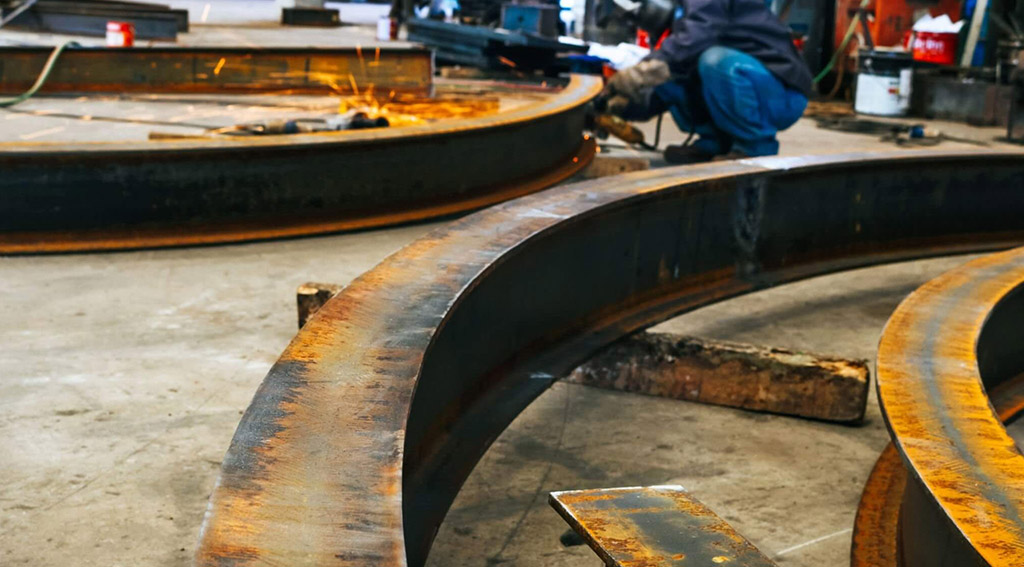



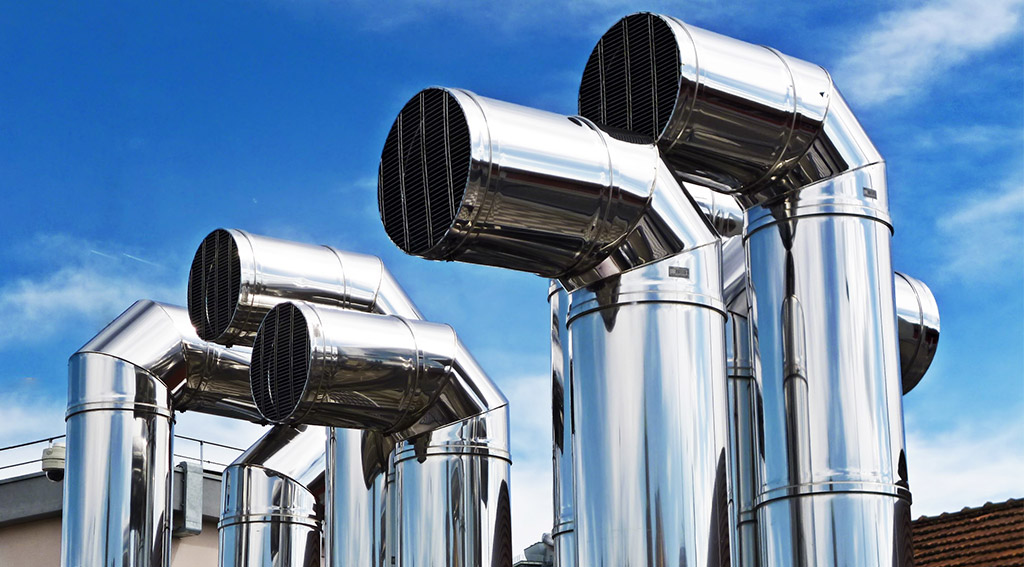
When considering a plate bending machine, it’s important to understand that there are various types designed to meet specific needs within metal fabrication. Each type of bending machine offers distinct features and advantages, depending on the material to be worked on, the required bend precision, and the overall project demands. Plate bending machines are commonly used for bending sheet metal into precise shapes, whether for small-scale or large industrial applications. Choosing the right machine can significantly impact the efficiency and quality of the finished product.
A sheet metal bending machine is one of the most commonly used tools for metal fabrication. It is designed specifically for bending sheet metal with accuracy and precision, making it a go-to choice for industries such as automotive, construction, and general manufacturing. These machines come in various sizes and configurations, allowing them to handle a wide range of metal thicknesses. The primary feature of a sheet metal bending machine is its ability to bend metal sheets at different angles, creating custom shapes based on the specific needs of a project. Operators can adjust the machine settings to ensure that each bend is consistent and precise, even when working with varying material types.
For those requiring greater force and versatility, a hydraulic plate roller offers a more robust solution. This machine uses hydraulic power to apply pressure to the metal, making it ideal for bending thicker plates and materials that would be difficult to shape using standard methods. A hydraulic plate roller typically includes multiple rollers that are used to gradually form the metal into the desired curve or shape. This design makes it particularly useful for industries that need to produce large, cylindrical metal components, such as pipes, tanks, and pressure vessels. The ability to adjust the pressure and speed of the rollers allows for high levels of control, ensuring that the bend is even and consistent throughout the entire material.
When choosing a plate bending machine, it’s essential to consider the specific needs of the project. Factors such as the thickness and type of material, the complexity of the bend, and the required production speed all play a significant role in determining which machine is best suited for the job. For example, a sheet metal bending machine might be perfect for smaller projects requiring precision bends in thinner materials, while a hydraulic plate roller would be better for large-scale operations dealing with thicker metals or more complex shapes. The hydraulic system of a plate roller allows for continuous bending, making it a good option for high-volume production.
Another consideration when selecting a plate bending machine is the level of automation required. Some machines are fully automated, allowing for easy programming and adjustments, while others may require manual input from operators. Automated systems can speed up the bending process and reduce the chances of human error, which is particularly important in industries that require consistent, high-quality results.
In conclusion, the right plate bending machine for your needs will depend on the specific requirements of your project. Whether you choose a sheet metal bending machine for precision or a hydraulic plate roller for handling thicker materials, each machine has its advantages. Understanding the distinct features of each type can help you make an informed decision and ensure that your metal bending processes are as efficient and effective as possible.