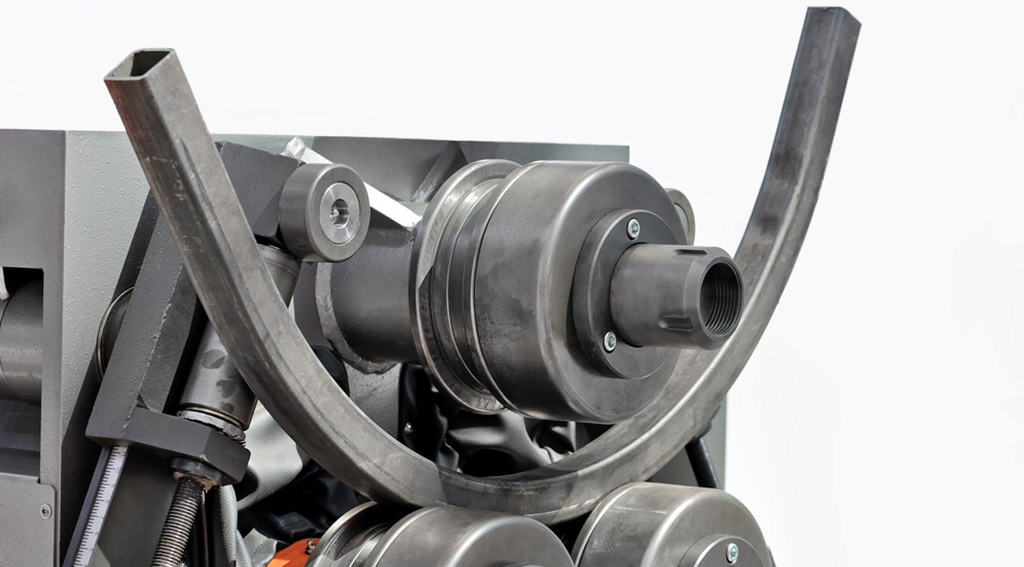




In the automotive industry, precision and efficiency are key when it comes to bending metal components, particularly when shaping the structural elements that support the overall framework of a vehicle. One of the essential machines for this task is the profile bending machine for automotive industry applications. This machine is specifically designed to bend various profiles, including tubes, beams, and bars, to meet the precise specifications required for automotive manufacturing. With its ability to create complex shapes with high accuracy, the profile bending machine plays a crucial role in ensuring the integrity and safety of automotive structures.
A widely used application of a profile bending machine is for car chassis bending, where the machine bends steel profiles that form the backbone of a vehicle’s structure. The chassis serves as the main frame, providing support for all other components, such as the engine, suspension, and wheels. To ensure that the chassis is strong and capable of withstanding the stresses and forces a car experiences during operation, it must be bent with extreme precision. The profile bending machine is equipped with advanced controls and powerful hydraulic systems, allowing for consistent bends that meet the strict tolerances needed for automotive safety and performance.
Another important use of the profile bending machine for automotive industry applications is in automotive tube bending. In this process, the machine is used to bend tubes made of materials such as steel, aluminum, or stainless steel, which are often used for creating exhaust systems, roll cages, or fuel lines. Automotive tube bending requires highly accurate bends to ensure that the components fit properly within the vehicle’s structure and can handle the mechanical loads they will be subjected to. The profile bending machine allows for bending tubes in various radii and angles, enabling the production of complex, custom shapes that are vital for modern vehicle design.
The profile bending machine for automotive industry applications typically comes in different configurations depending on the complexity and size of the components being processed. Some machines use a three-roll system, while others utilize a more advanced rotary draw bending method. The choice of bending method is often influenced by the material type and the desired geometry of the part. Advanced machines offer CNC (computer numerical control) capabilities, which allow for automated, repeatable bending processes with minimal human intervention. This level of automation helps improve production efficiency while maintaining a high degree of accuracy.
In addition to its role in car chassis bending and automotive tube bending, the profile bending machine is also used for other automotive components, such as bumpers, support brackets, and frame reinforcements. The ability to bend both ferrous and non-ferrous metals with precision is crucial for ensuring that these parts meet the durability, strength, and performance requirements of the automotive industry. As vehicle designs become more complex and the demand for lightweight yet strong materials increases, the profile bending machine continues to evolve to meet these challenges, offering greater flexibility and performance in automotive manufacturing.
In conclusion, the profile bending machine for automotive industry applications is a vital piece of equipment that helps manufacturers create critical structural components with high precision and efficiency. Whether for car chassis bending, automotive tube bending, or other automotive part fabrication, this machine ensures that the components are perfectly shaped to meet industry standards. By investing in advanced profile bending technology, the automotive industry can continue to produce safe, durable, and high-performing vehicles that meet the needs of today’s consumers.