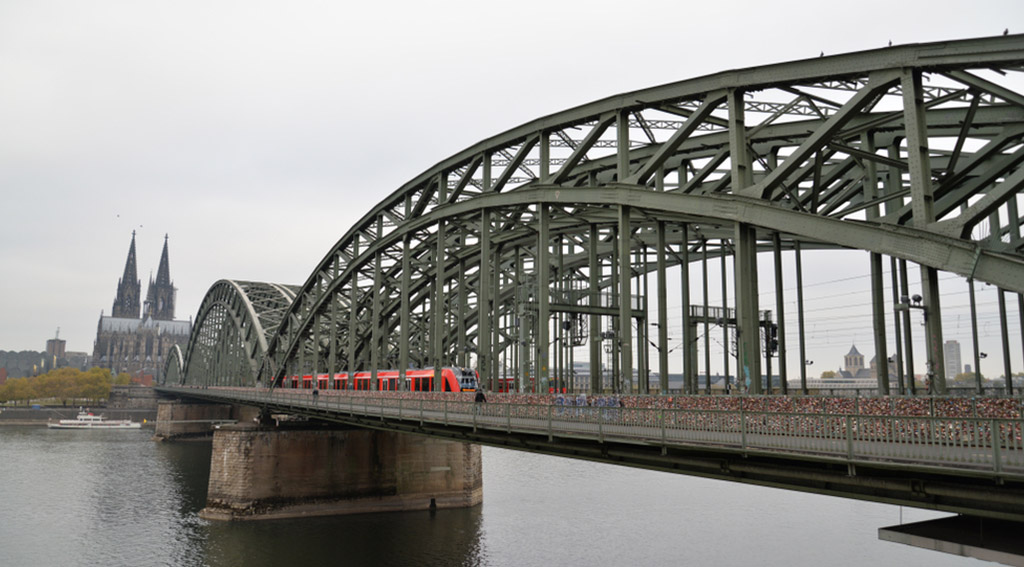
In the field of structural fabrication, the process of structural profile bending plays a vital role in creating strong, durable, and precisely shaped components used in the construction of buildings, bridges, and other large structures. Profile and section bending techniques are essential for shaping metal sections into specific configurations, ensuring that the materials used meet the requirements of both strength and design. This article will explore the importance of these bending processes, the tools involved, and how they contribute to successful metal section forming in the construction industry.
Structural profile bending involves the application of bending force to various metal sections, such as beams, columns, and channels, to create precise curves or angles. This process is crucial when dealing with materials like steel or aluminum, which need to be shaped accurately for specific structural purposes. Profile and section bending machines use hydraulic or mechanical systems to apply controlled pressure, ensuring that the material retains its strength and integrity while achieving the desired form. The bending process is especially important in the fabrication of large-scale structures where each component must fit together perfectly to ensure safety and durability.
The metal section forming process is integral to creating structural profiles used in construction. These profiles, which often include I-beams, T-sections, and U-channels, must be precisely shaped to fit the design specifications. Profile and section bending allows fabricators to bend these metal profiles into curves, angles, or custom shapes needed for various architectural and engineering applications. These custom-shaped metal sections are used in frameworks, support structures, and reinforcement components in buildings and other large structures.
One of the key advantages of structural profile bending is its ability to create complex shapes without compromising the strength of the material. Whether it’s a simple curve or a more intricate geometric design, bending ensures that the metal retains its load-bearing capacity while taking on the desired shape. The precision offered by modern profile and section bending machines also ensures that the finished components meet tight tolerances, which is critical for structural integrity. Even slight deviations in the shape of these metal sections can affect the overall stability of the structure, so precision is of utmost importance.
In addition to structural applications, metal section forming can also be used in decorative elements for architectural projects. Curved or bent metal profiles can add an aesthetic dimension to building facades, interiors, and other design features. By using profile and section bending, manufacturers can achieve smooth, flowing curves or intricate patterns that complement the architectural design, all while maintaining the strength of the material.
In conclusion, structural profile bending and metal section forming are essential processes in modern structural fabrication. They allow manufacturers to shape metal components with high precision, ensuring both the functional strength and aesthetic appeal of the final product. Whether for large-scale structural applications or decorative features, these bending techniques contribute to the creation of robust, reliable, and visually appealing metal components used in construction projects worldwide.