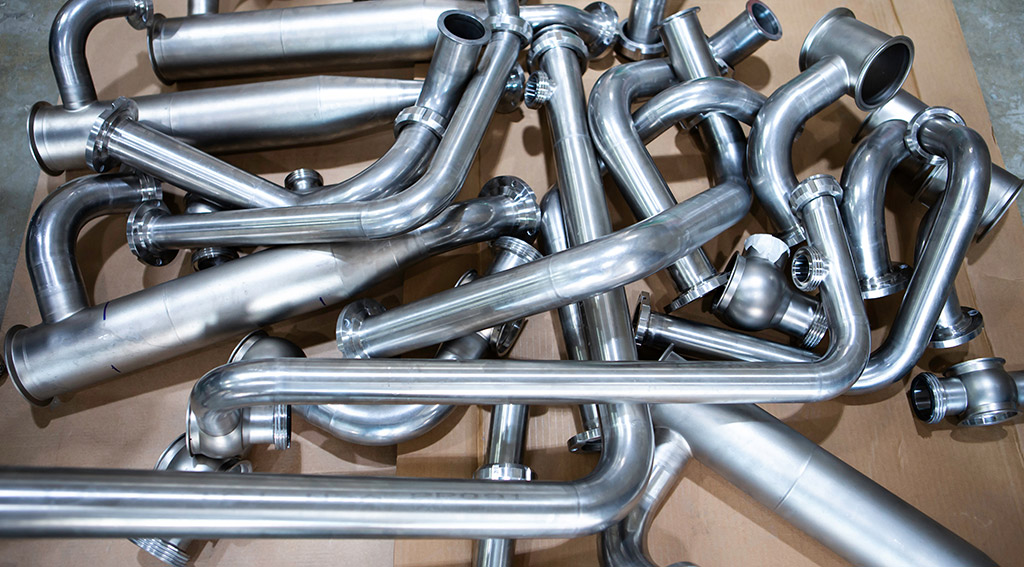




Precision in metal profile forming is more than just a manufacturing advantage—it is a necessity in today’s industrial production landscape. From architectural frameworks to structural components in machinery, the need for accurately shaped metal profiles drives innovation in forming technologies. But what exactly makes modern profile forming so precise, and how has science shaped the evolution of this process?
At its core, metal profile forming involves reshaping long sections of metal—such as bars, tubes, angles, or beams—into specific curves, radii, or geometric shapes without compromising their structural integrity. This is achieved through a combination of mechanical pressure, controlled roll movement, and advanced measurement systems. The material is gradually guided through a series of precisely positioned rollers that apply bending force in a calculated manner. This progressive forming method ensures uniform stress distribution and minimal material deformation.
In industrial settings, the need for industrial profile shaping with tight tolerances has led to the adoption of CNC-controlled and hydraulic bending machines. These machines are equipped with programmable logic that can precisely adjust roll positions, rotation speeds, and pressure points based on the desired outcome. This allows manufacturers to shape complex curves and multi-radius designs with remarkable consistency—even when working with high-strength alloys or unusually large profiles.
One of the key scientific principles behind effective profile bending is the understanding of material behavior under stress. Different metals respond to force differently—some are more ductile, others more brittle. By analyzing the stress-strain curves of materials, engineers can fine-tune bending parameters to avoid issues like springback, wrinkling, or surface cracking. Factors such as temperature, rolling speed, and material thickness also play a critical role in achieving precise results.
Moreover, real-time monitoring systems and advanced sensors have further refined the process. Today’s profile forming machines often include digital measurement tools that track bending angles and detect deviations in real-time, allowing for immediate corrections. This not only increases production accuracy but also reduces material waste and overall production time.
Precision metal profile forming is essential in industries like construction, automotive, aerospace, and energy infrastructure. Whether producing curved beams for stadiums, forming aerodynamic components for vehicles, or shaping support structures for pipelines, the science behind profile bending ensures that these components meet strict functional and aesthetic standards.
In conclusion, the science behind precision metal profile forming lies in the harmonious integration of mechanical engineering, material science, and digital control systems. As technology continues to advance, the possibilities for high-accuracy, complex industrial profile shaping will only expand, making profile bending a cornerstone of modern fabrication and design.