



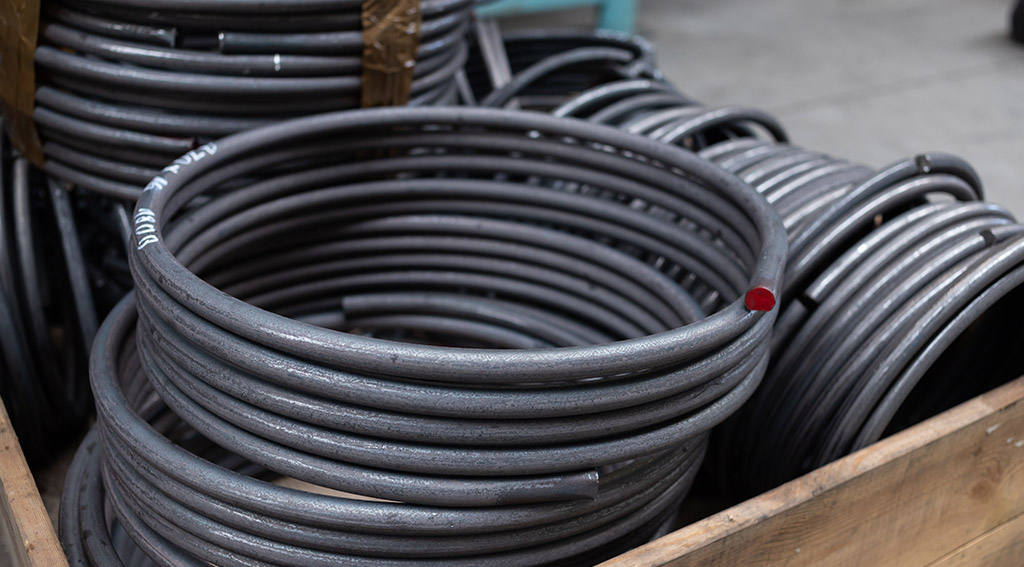
Tube profile bending is a fundamental process in metal fabrication, widely used in industries such as construction, automotive, aerospace, and manufacturing. It involves shaping tubes and pipes into specific curves and angles while maintaining their structural integrity. The quality of the bending process depends on various factors, including the material, bending method, and the type of equipment used. Understanding these factors is essential for achieving precise and consistent results.
Different materials respond differently to bending. Common materials used for tube profile bending include steel, stainless steel, aluminum, and copper. Each material has unique properties such as tensile strength and flexibility, which affect how it behaves during bending. Some materials require preheating or specialized techniques to prevent cracking or deformation. Choosing the right material and understanding its limitations is crucial for achieving high-quality bends.
There are multiple techniques used in pipe profile bending, each suited for different applications. One of the most common methods is rotary draw bending, which uses a die to shape the tube while maintaining a consistent radius. This method is ideal for precision applications such as handrails, exhaust systems, and structural components. Another technique is roll bending, where the tube passes through a set of rollers to create large, sweeping curves. This method is commonly used in architectural and industrial applications. Induction bending, which involves heating the tube with an induction coil before bending, is used for heavy-duty applications that require minimal distortion and maximum strength.
The selection of tube bending equipment plays a vital role in achieving accurate results. Manual tube benders are suitable for small-scale or custom projects, providing control over the bending process. Hydraulic tube benders offer greater force and precision, making them ideal for handling thicker materials and complex bends. CNC tube bending machines provide the highest level of accuracy and automation, allowing for consistent, repeatable results in mass production. Choosing the right equipment depends on the project’s complexity, material requirements, and production volume.
One of the biggest challenges in tube bending is preventing defects such as wrinkling, flattening, or material thinning. These issues can arise due to improper tooling, excessive force, or incorrect bending techniques. Using mandrels and wiper dies can help maintain the tube’s shape and prevent internal collapse. Proper lubrication also reduces friction and minimizes the risk of surface damage. Understanding how to adjust bending parameters and tooling configurations ensures smooth and high-quality bends.
Maintaining tube bending equipment is essential for ensuring long-term performance and accuracy. Regular inspection of dies, rollers, and hydraulic components helps prevent wear and tear. Keeping machines clean and well-lubricated enhances their lifespan and reduces downtime. Additionally, operators should be trained in proper machine handling to ensure consistent results and minimize errors. Investing in high-quality equipment and proper maintenance practices improves efficiency and reduces production costs over time.
Tube profile bending is a precise and technical process that requires the right combination of materials, techniques, and equipment. Whether working on small custom projects or large-scale industrial applications, understanding the principles of tube bending helps achieve high-quality results with minimal waste. By selecting the appropriate bending method, using the right tools, and maintaining equipment properly, businesses can optimize their production processes and improve overall efficiency.