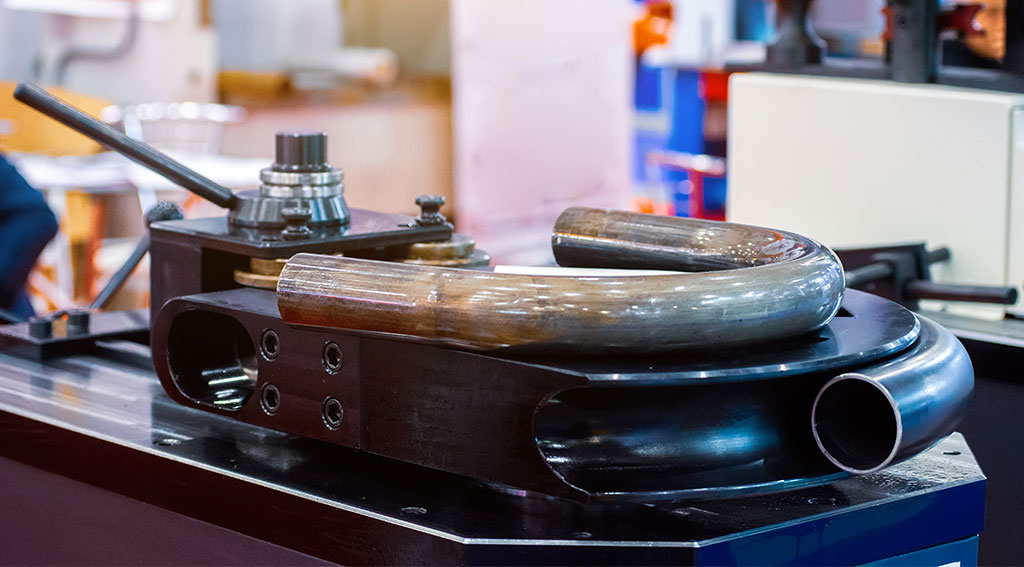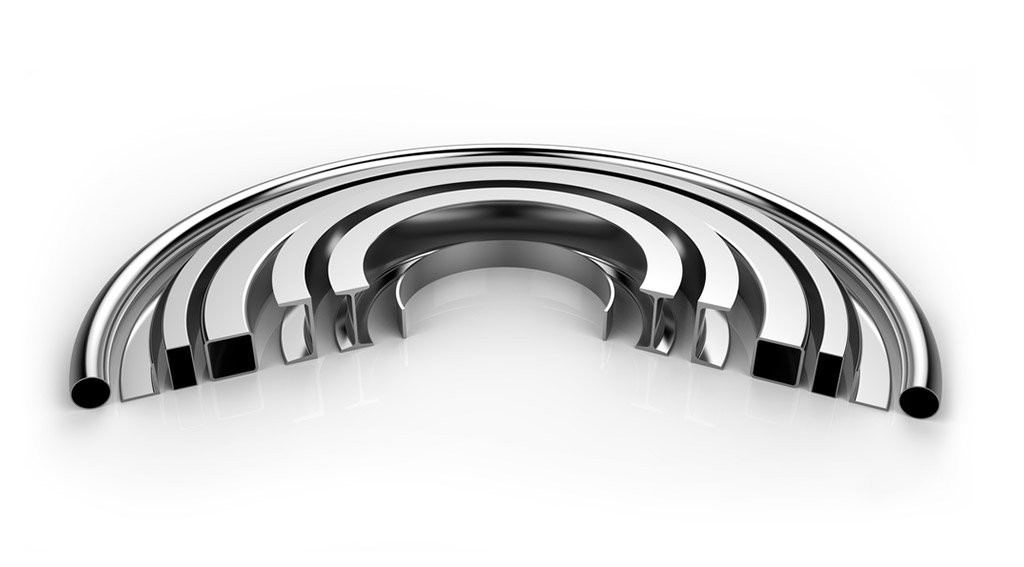




When it comes to pipe bending, selecting the right tool is crucial for ensuring precision, efficiency, and quality. There are various different types of pipe benders available in the market, each offering unique features that suit specific needs in industrial applications. Whether you are working with small tubes or large pipes, choosing the best pipe bender for your task can significantly impact the overall success of your project. This article explores the different types of pipe benders, compares manual vs hydraulic pipe benders, and highlights the importance of selecting the appropriate tube bending equipment for your fabrication requirements.
Different types of pipe benders include manual, hydraulic, electric, and mechanical options. Each type has its own advantages and limitations depending on the material, size, and complexity of the bending task. Manual pipe benders, often more affordable and simple to operate, are ideal for smaller projects and light-duty applications. They use hand power to bend pipes and are typically suitable for bending smaller diameters of metal tubing with moderate precision. While manual benders are easy to use and cost-effective, they are not as efficient or precise when working with larger or more rigid materials.
On the other hand, hydraulic pipe benders are more advanced and capable of handling a broader range of applications. These machines use hydraulic pressure to bend the pipe, making them ideal for heavier-duty tasks. Hydraulic pipe benders are capable of bending large diameters and thicker materials with high precision, offering faster and more consistent results than manual benders. For industries like automotive, construction, or heavy machinery manufacturing, a hydraulic pipe bender is often the preferred choice due to its increased bending capacity, speed, and automation.
Manual vs hydraulic pipe benders: When comparing manual and hydraulic models, the key differences lie in the bending capacity, speed, and ease of use. Manual pipe benders are generally limited in terms of bending capacity and speed, making them less suited for high-volume or large-scale production. In contrast, hydraulic benders offer a higher level of performance with more precise control over the bending process. For heavy-duty applications and long-term use, hydraulic benders are often seen as more reliable and efficient, especially when dealing with tough materials or complex bends.
In addition to manual and hydraulic models, there are also electric pipe benders and mechanical pipe benders that cater to specific needs. Electric benders offer the advantage of automated control for consistent results, while mechanical benders are suitable for medium-sized tasks, providing a balance between cost-effectiveness and power.
When selecting tube bending equipment, it’s essential to consider factors like the material of the pipe, the size and thickness of the tube, the complexity of the bends, and the level of precision required. Hydraulic pipe benders are the go-to option for projects involving thicker pipes or when high precision is critical. On the other hand, manual benders are sufficient for simpler, small-scale tasks.
Ultimately, the best pipe bender for your needs will depend on your specific project requirements. Whether you choose a manual, hydraulic, or other type of bender, selecting the right tool will ensure a smoother bending process, reduce material waste, and improve the overall efficiency of your operations.