



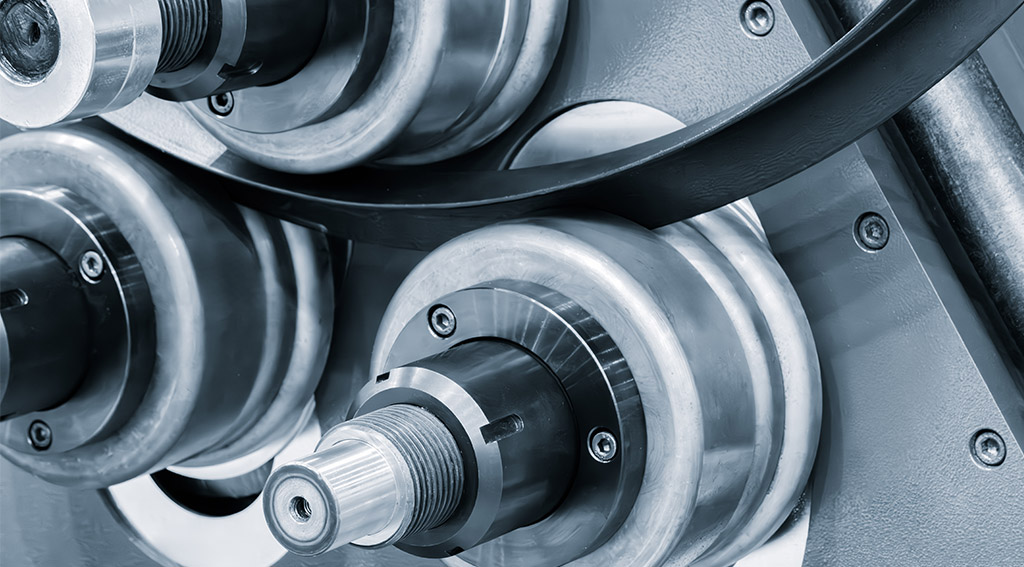
Hydraulic profile bending is a widely used method in metal fabrication, providing precise and efficient shaping of metal profiles, tubes, and beams. This process is essential for industries that require curved or custom-shaped metal components, such as construction, automotive manufacturing, shipbuilding, and industrial machinery production. The use of hydraulic systems in profile bending ensures high force application, smooth operation, and consistent results, making it the preferred choice for heavy-duty bending applications.
One of the key advantages of hydraulic profile bending is its ability to handle a wide range of materials, including steel, aluminum, and stainless steel. Unlike manual or mechanical bending techniques, hydraulic systems apply controlled pressure to achieve smooth and uniform bends without causing structural damage to the material. This makes hydraulic profile bending ideal for producing large-radius curves, precise angles, and complex shapes with minimal deformation.
The most common type of equipment used in hydraulic profile bending is the hydraulic tube bender. These machines use hydraulic pressure to bend tubes and pipes with high accuracy, ensuring that the material maintains its structural integrity. Tube benders are commonly used in industries such as plumbing, aerospace, and automotive manufacturing, where precise bends are required for fluid and gas transport systems, roll cages, and exhaust components. Advanced hydraulic tube benders are often equipped with programmable controls, allowing for automated bending sequences and consistent repeatability.
Another essential machine in hydraulic profile bending is the profile shaping press. This type of press applies controlled hydraulic force to shape metal profiles into desired forms. Profile shaping presses are particularly useful in industries that require heavy-duty bending of thick metal bars, beams, and structural components. These machines are often used in bridge construction, large-scale metal framework fabrication, and industrial support structures where precise bending strength is crucial.
Hydraulic profile bending is also widely used in the construction industry, where curved metal beams and framework elements are essential for architectural designs. Building projects often require custom-shaped metal components for roofing, staircases, railings, and decorative elements. Hydraulic bending technology allows manufacturers to produce these components efficiently while ensuring durability and load-bearing strength.
In shipbuilding, hydraulic profile bending plays a crucial role in shaping hull structures, support beams, and piping systems. The ability to bend large metal profiles accurately is essential for ensuring the structural integrity and hydrodynamic efficiency of vessels. Hydraulic bending technology reduces the need for welding and additional reinforcements, making ship construction more efficient and cost-effective.
With the advancements in hydraulic bending technology, modern machines now offer increased automation, precision, and efficiency. CNC-controlled hydraulic benders allow for programmable bending operations, reducing manual labor and ensuring consistent results. These systems provide greater flexibility for manufacturers, enabling them to produce high-quality bent profiles in large quantities while minimizing material waste.
Hydraulic profile bending is a critical process in modern metal fabrication, offering versatility and reliability for industrial applications. Whether for structural framework, transportation components, or architectural elements, hydraulic bending technology provides the precision and strength needed to shape metal efficiently. By investing in advanced hydraulic bending equipment, industries can improve productivity, reduce costs, and achieve superior bending quality.