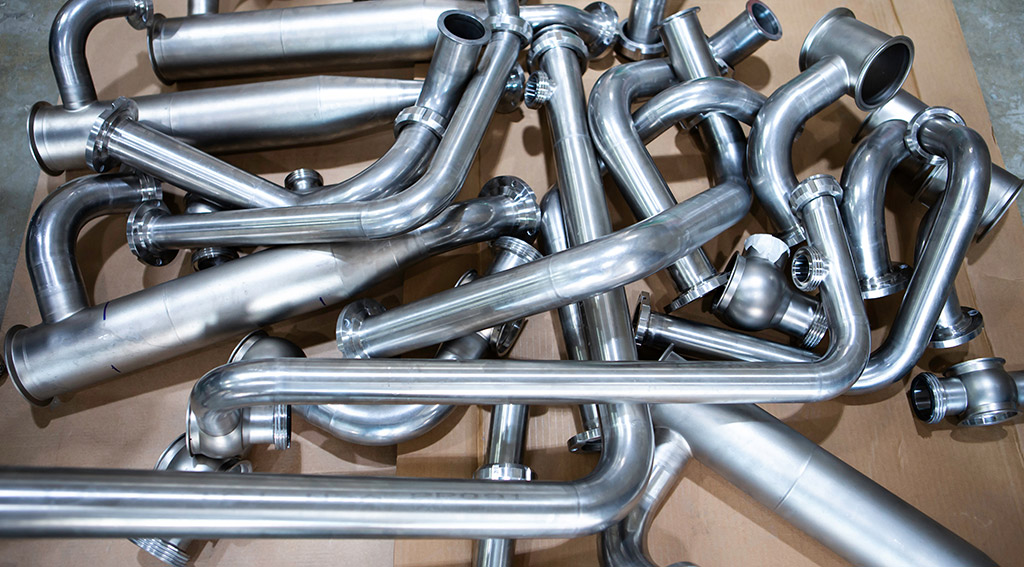



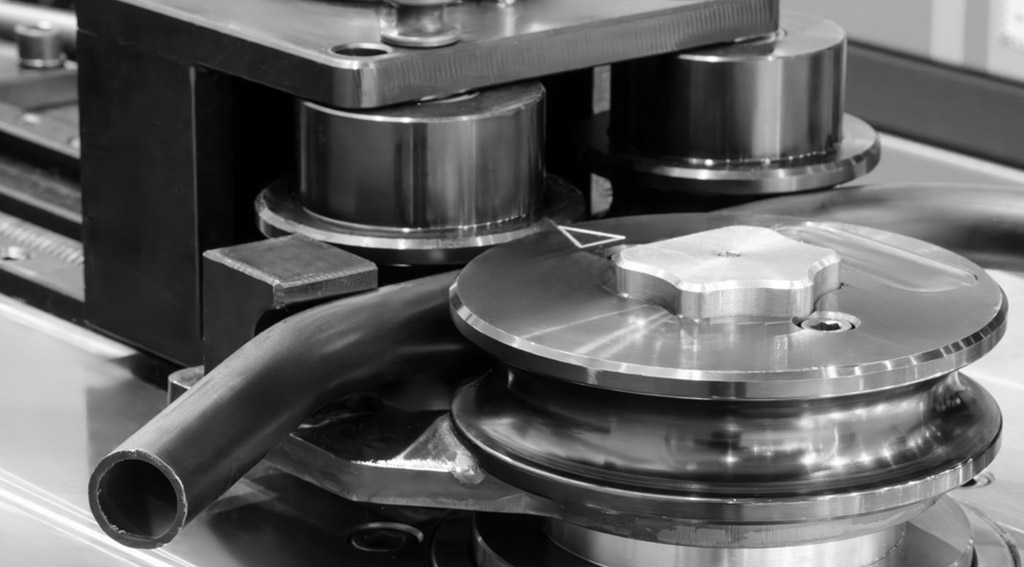
In the pipe fabrication industry, the demand for efficient and precise bending methods has led to the development of innovative solutions, one of which is mandrel-free tube bending. Traditionally, pipe bending often involved the use of a mandrel, a tool inserted inside the pipe to maintain its shape and prevent deformation during bending. However, with the advancement of technology, mandrel-free tube bending solutions have emerged, offering an effective alternative for flexible pipe bending without the need for a mandrel.
Mandrel-free tube bending is a technique used to bend pipes and tubes without the internal support typically provided by a mandrel. This method relies on advanced bending machines and tooling designed to reduce the risk of wrinkles, kinks, or other distortions in the pipe during the bending process. The absence of a mandrel in this process makes it faster, more cost-effective, and suitable for a wide range of pipe materials and sizes.
One of the main advantages of mandrel-free tube bending is its flexibility. This technique allows for the bending of pipes with varying thicknesses and diameters, including those made of materials that are prone to cracking or damage under high pressure, such as flexible pipe bending applications. Since the pipe is not constrained by an internal mandrel, there is less stress on the material, reducing the risk of structural damage. This makes mandrel-free bending an ideal choice for creating complex bends and shapes, especially in industries such as plumbing, HVAC, and automotive manufacturing.
Non-mandrel benders are specially designed machines that provide high-quality bends without the need for a mandrel. These benders use advanced hydraulic or mechanical systems to control the bending process, ensuring that the pipe maintains its integrity and shape during the operation. The use of non-mandrel benders has significantly improved the efficiency of pipe fabrication, as it eliminates the time-consuming process of inserting and removing the mandrel.
In addition to its time-saving benefits, mandrel-free tube bending offers cost savings as well. Traditional mandrel bending requires additional tools and labor for mandrel setup, which increases the overall cost of production. By eliminating this step, manufacturers can reduce their material handling and labor costs while maintaining the same level of quality in their final products.
Another key advantage of mandrel-free tube bending is its ability to accommodate a wide range of pipe materials. This method can be used on materials such as stainless steel, aluminum, and copper, all of which are commonly used in flexible pipe applications. The versatility of non-mandrel benders allows manufacturers to work with different types of pipes without worrying about the limitations of mandrel-based bending systems.
Despite its many benefits, mandrel-free tube bending does require careful attention to detail and machine setup. Benders must be calibrated properly to ensure that the bends are accurate and that the material does not undergo excessive stretching or deformation. While the process may be simpler and faster than traditional mandrel bending, operators must still be trained to handle the machines effectively to achieve the best results.
In conclusion, mandrel-free tube bending provides an excellent solution for flexible pipe bending and other pipe fabrication needs. By eliminating the need for a mandrel, this technique offers significant advantages in terms of speed, cost, and versatility. With the use of non-mandrel benders, manufacturers can create precise, high-quality bends in a variety of materials, making it an essential process in modern pipe fabrication.